
Live Casino / Cricket Theme
Cricket Ball Roulette | table game 1 Guide
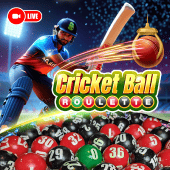
Cricket Ball Roulette is a live-casino roulette experience that wraps familiar number selection in a lively cricket visual language. This guide gives the useful answer first: learn the wager board, watch the betting window, and use a modest preset before the ball settles; the Cricket Ball Roulette Demo can help you understand the rhythm before you decide whether the live room suits you.
Other live tables to compare with Cricket Ball Roulette
Four live picksThese are real live-casino records from the table game 1 lobby. Tap a name or icon to open the official promotion; none of these tiles pretends to be a separate detail route.




What players notice first in Cricket Ball Roulette
The strongest player takeaway is that Cricket Ball Roulette feels easiest to follow when the visual theme supports, rather than replaces, the standard roulette decision. New visitors usually want to know whether the cricket presentation changes the basic logic. It does not remove the need to understand number, colour, range and other available wager areas; the theme changes the atmosphere and the way the round is framed.
Useful review signals
- Readable betting areas: A first-time player should be able to distinguish the main number field, colour choices and range-style areas without guessing where a chip will land.
- Visible timing: A clear countdown gives players enough time to make one considered choice instead of reacting to the last seconds of a round.
- Stable presentation: The cricket styling should add character while the outcome display remains easy to identify after the ball settles.
- Mobile comfort: Controls should remain reachable on a 320–430px canvas, with no need to zoom or drag a wide table across the screen.
Players comparing this title with 32 Baraha or either Baccarat room should separate atmosphere from mathematics. A memorable cricket overlay can make a session more engaging, but it cannot change random outcomes or make a wager risk-free. A useful review records interface clarity, round speed and personal comfort rather than treating excitement as evidence of an advantage.
From wager window to result: Cricket Ball Roulette round flow
The direct answer is a short sequence: enter the room, inspect the open betting board, place a selected wager, wait for betting to close, then read the settled result and the balance update. Cricket Ball Roulette is easier to approach when each phase has a separate purpose; do not place a new decision while still trying to interpret the previous result.
- Join the room. Confirm the game title and current table before touching a stake control. Give the stream or game panel a moment to load on a mobile connection.
- Read the open board. Identify the eligible wager areas, minimum chip value and remaining countdown. If any label is unclear, wait rather than infer its meaning.
- Choose one plan. Select a number, colour, range or other clearly explained area according to the rules shown in the room. A plan made before the final seconds is easier to audit.
- Confirm the chip. Check the amount, selected position and running total. A second look catches accidental taps, especially on a narrow phone screen.
- Let betting close. Once the window ends, no new choice should be treated as part of that round. Watch the ball or result animation without chasing the outcome.
- Read settlement. Verify the winning result, any displayed return and the updated balance. Keep a note if a transaction or result appears delayed.
- Pause before the next round. Compare the new state with the original loss and time limits. Continuing is optional; a previous result is not a reason to increase the next stake.
That order also explains why a Cricket Ball Roulette Demo is useful as a learning aid: it lets a visitor practise locating the board, timer and settlement cues without confusing speed with skill. A demo can show interface rhythm, but it cannot promise that live outcomes will match practice outcomes.
How the Cricket Ball Roulette theme shapes the experience
Cricket Ball Roulette works best for visitors who want recognisable roulette decisions presented with a sports-led atmosphere. The cricket theme can make the lobby feel more energetic, but the practical experience still depends on three things: whether the board is legible, whether the round tempo leaves room to think, and whether the player keeps the stake separate from the entertainment value.
Visual language with a clear job
Sports cues are most helpful when they orient attention. A cricket ball motif, field-inspired colour contrast or match-style anticipation can give the result moment a distinct identity. Those cues should not be mistaken for signals about the next outcome. In a sound session, the theme adds texture while the player continues to read only the posted rules and available wager areas.
Rhythm on a phone
Mobile players often experience the game in short visits, so a compact layout matters. A good Cricket Ball Roulette session should make the active betting phase, the close of betting and the final settlement visually distinct. Large enough touch targets, a stable panel and restrained animation help a player maintain attention without constantly zooming, rotating the phone or losing the total stake.
What the theme cannot change
- Cricket imagery does not predict a number, colour or result.
- A faster-feeling round does not make a wager more likely to win.
- A winning streak does not create a reason to remove a preset loss limit.
- A demo presentation does not establish a guarantee for a live balance.
For that reason, the best table game 1 Cricket Ball Roulette experience is both vivid and disciplined. Enjoy the distinctive presentation, then judge the session by clear decisions, understandable settlement and whether the planned budget remained intact.
How to play Cricket Ball Roulette with a controlled plan
To play Cricket Ball Roulette responsibly, start by learning the displayed rules, select one wager type you can explain in your own words, and set the maximum amount and time before opening the room. The interface may be quick, but there is no need to copy another player, follow a streak or use every betting area. A simple plan is easier to stop and easier to review.
Before the first chip
- Verify that the address bar shows the official table game 1 entry before entering account details.
- Read the table minimum, maximum and any special wording visible beside the board.
- Decide whether you are observing, using a demo-style practice mode or playing with a fixed entertainment budget.
- Keep payment decisions outside the heat of a round; do not top up simply because a previous outcome was disappointing.
During the session
Use one deliberate action per round whenever possible. Look at the running stake total after every chip, and leave enough time to cancel an accidental selection if the interface provides that control. The table game 1 Cricket Ball Roulette layout is a tool for placing a choice, not a reason to keep playing after the budget or time boundary has been reached.
If you are new to the wider catalogue, the Table Game 1 Games browse page can help you compare the live-casino category with other formats before choosing a room. That comparison is useful because different tempos and interfaces suit different attention spans; it is not a promise that one category removes the house edge.
After a round or session
- Read the result and settlement line rather than relying on an animation alone.
- Record the session end time and remaining budget if you are tracking play.
- Close the room when the pre-set stop point arrives, even if the last result felt favourable.
- Contact official support through the verified entry if a balance or transaction needs clarification.
Which player situation suits Cricket Ball Roulette?
The practical answer depends on the goal of the visit. Cricket Ball Roulette can fit a short, observation-led live-casino session for someone who enjoys the sports theme and already understands the board. It is a poor fit for anyone trying to recover losses, multitasking through the betting window or looking for a guaranteed result. Matching the room to the situation is more useful than searching for a perfect pattern.
Four useful scenarios
- Learning the interface: Begin with the Cricket Ball Roulette Demo when available, identify the board and countdown, and stop once the interface is familiar. The learning goal is complete before any stake is increased.
- Enjoying a sports theme: Choose the room because you like its presentation, then keep a fixed amount that would be acceptable as an entertainment expense. Theme preference is not a betting signal.
- Comparing live rooms: Check the pace, controls, visible limits and settlement display against the other live-casino records. Compare comfort and clarity, not a short sequence of wins.
- Feeling pressured: Leave the room, protect the balance and use a cool-off or support option. No Cricket Ball Roulette round is urgent enough to override a personal limit.
Players who prefer a different visual rhythm can use the Wild Ace guide to compare a slot-style experience with a live table. The difference in format may clarify whether you prefer scheduled rounds and a visible board or a reel-based session that can be paused between spins.
For PH visitors, table game 1 security also belongs in every use case: check the exact domain, keep credentials private, avoid unverified mirrors and use only the official cashier path. If a message asks for an OTP, remote access or a private payment transfer, stop and verify through a trusted route instead of continuing the round.
The essential Cricket Ball Roulette facts at a glance
Here is the short fact set: the current title is Cricket Ball Roulette, its recorded category is live-casino, and its page uses the exact Cricket Ball Roulette icon shown above. The guide covers the round sequence, cricket-led presentation, practical play steps, player viewpoints and situation-based advice; it does not claim a winning system or a guaranteed return.
What this page can and cannot answer
- It can explain: the expected order of a round, the purpose of the betting window, the role of the cricket theme and sensible questions to ask before playing.
- It can help compare: interface clarity, pace, mobile comfort and the difference between a live table and a demo-style learning experience.
- It cannot predict: the next result, a personal win rate or a session outcome. Random results remain random.
- It cannot replace: the rules and terms displayed in the live room, account security checks or personal responsible-play boundaries.
If you want a lower-pressure introduction to the catalogue, the Table Game 1 Free Play page is the natural next read for understanding practice-oriented access. Treat that route as a way to learn controls and expectations, not as evidence that future live results are owed.
Keep the final checklist simple: verify the table game 1 link, understand the board, set a limit, make only decisions you can explain, read settlement and stop at the planned boundary. Those habits make the Cricket Ball Roulette page useful whether you are comparing rooms, learning the controls or deciding that today is not the right day to play.